Lifting Equipment Inspection Services and Lifting Supervisor Responsibilities
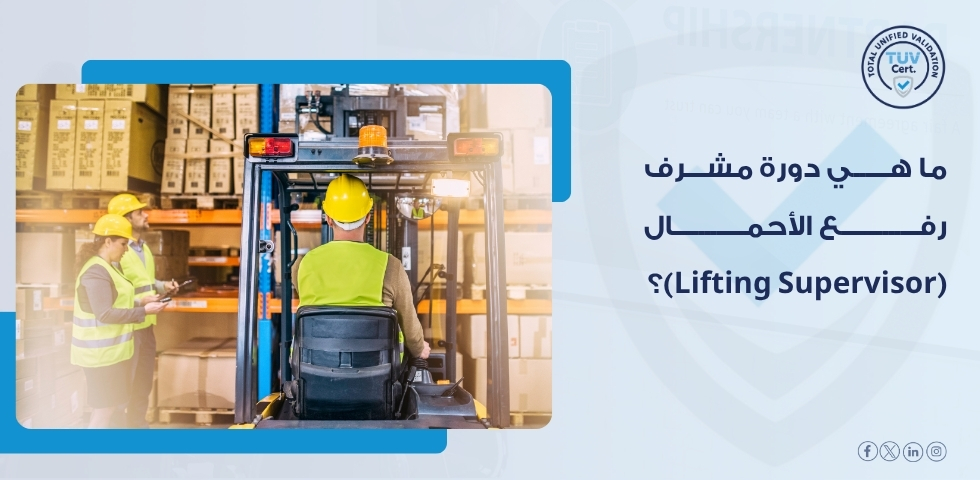
What Is a Lifting Supervisor Training Course?
A Lifting Supervisor training course is designed to prepare individuals responsible for supervising lifting operations and ensuring they are carried out in accordance with approved safety procedures and industry standards.
The program focuses on developing skills in lift planning, risk assessment, team coordination, and verifying equipment readiness through the application of lifting equipment inspection services and heavy equipment inspection practices to ensure safe and efficient lifting operations.
What Are the Responsibilities of a Lifting Supervisor on Site?
A Lifting Supervisor is responsible for organizing, coordinating, and monitoring lifting operations to ensure they are performed safely and in compliance with operational requirements. Their role extends beyond simply overseeing the lift—they are involved in planning the operation, assessing risks, coordinating the lifting team, and confirming equipment readiness by ensuring lifting equipment inspection services and heavy equipment inspection procedures are properly implemented before and during lifting activities.
Supervising the Lift Before Operations Begin
A Lifting Supervisor's responsibilities start well before any equipment is moved or any load is lifted. They review every aspect of the planned operation to ensure it has been properly prepared.
Key responsibilities at this stage include:
-
Reviewing the lifting plan and confirming that all procedures are clearly defined.
-
Identifying potential hazards and implementing appropriate risk control measures.
-
Verifying that the selected lifting equipment is suitable for the intended load.
-
Confirming that every member of the lifting team understands their responsibilities.
This planning stage is one of the most important phases of any lifting operation. Effective preparation significantly reduces the likelihood of operational errors, particularly on sites involving heavy equipment or complex lifting activities.
Coordinating the Lifting Team
A Lifting Supervisor does not work independently but serves as the central point of coordination between everyone involved in the lifting operation, including the crane operator, Rigger, Slinger, and Banksman.
The supervisor ensures:
-
Every team member clearly understands their role and responsibilities.
-
Effective communication methods are used throughout the lifting operation.
-
Work is carried out according to the approved lifting plan.
-
Unexpected situations or operational changes are managed safely and efficiently.
Having a qualified Lifting Supervisor helps prevent uncoordinated decision-making because every action is based on risk assessment and established safety procedures.
Ensuring Lifting Equipment Is Ready Before Operation
One of the Lifting Supervisor's primary responsibilities is confirming that all lifting equipment is suitable and safe before work begins. Although they are not responsible for performing technical inspections themselves, they ensure that all required inspection procedures have been completed and that the correct equipment has been selected for the lifting task.
This is where lifting equipment inspection services and heavy equipment inspections become especially important, as they verify the condition of equipment and accessories such as:
-
Cranes.
-
Lifting accessories.
-
Chains and slings.
-
Various lifting attachments.
Pre-operation inspections also help identify any issues that could affect the safety of the lifting operation before equipment is placed into service.
Managing Risks During Lifting Operations
Risk management is one of the Lifting Supervisor's most critical responsibilities because lifting operations may be affected by numerous factors, including load weight, site conditions, equipment condition, and operational methods.
The supervisor is responsible for:
-
Assessing operational risks.
-
Ensuring safety procedures are fully implemented.
-
Stopping work whenever hazards threaten personnel or equipment safety.
-
Reviewing any changes that may affect the approved lifting plan.
Successful lifting operations depend not only on efficiency but also on the supervisor's ability to make informed decisions that protect both personnel and equipment.
The Relationship Between Lifting Supervisors and Heavy Equipment Safety
The importance of a Lifting Supervisor becomes even greater on sites where heavy equipment is regularly used, as larger machinery and more complex loads require higher levels of planning, coordination, and supervision.
The supervisor helps ensure that:
-
The selected equipment is appropriate for the lifting task.
-
Team members are properly trained.
-
Lifting operations follow approved procedures.
-
Inspection findings are addressed before equipment is used.
This combination of qualified personnel and properly maintained equipment creates a safer and more efficient work environment.
The Role of Training in Preparing Lifting Supervisors
The responsibilities of a Lifting Supervisor require more than practical experience alone. Supervisors must understand operational procedures, risk assessment techniques, and the safety requirements associated with lifting operations.
Specialized training programs help supervisors develop skills in:
-
Planning lifting operations.
-
Understanding the responsibilities of lifting team members.
-
Monitoring compliance with safety procedures.
-
Managing operational risks.
-
Understanding the relationship between training, inspection, and workplace safety.
Total Unified Validation (TUV) provides professional training programs designed to prepare lifting personnel while emphasizing practical applications related to safe lifting operations and the requirements of lifting equipment inspection services and heavy equipment inspections.
In summary, a Lifting Supervisor is a key contributor to the success of any lifting operation. Their responsibility extends beyond supervision to include planning, coordination, risk management, and ensuring that both personnel and equipment are fully prepared before lifting activities begin. This comprehensive role helps create safer, more organized, and more efficient workplace operations.