Operator and Rigger Competence Assessment
We assess operators’ and riggers’ knowledge and skills through task-specific theoretical and practical evaluations, identifying competence levels and improvement needs while documenting results to support safe operations and workplace requirements
Service Steps
We assess operators’ and riggers’ knowledge and skills through task-specific theoretical and practical evaluations, identifying competence levels and improvement needs while documenting results to support safe operations and workplace requirements
-
1
Request Submission
Submit candidates' job roles, equipment types, and location
-
2
Assessment Scope
Determine tasks, competence criteria, and site or project requirements
-
3
Prerequisite Review
Review identity, experience, previous training, and equipment and site readiness
-
4
Theory Assessment
Assess knowledge of hazards, safety procedures, operating limits, and role responsibilities
-
5
Practical Assessment
Observe task performance and assess the application of safe working practices
-
6
Certificate & Card Issuance
Issue documented results identifying assessment scope, demonstrated competence,
Crane & Lifting Equipment Operator Assessment
We assess operators of mobile cranes, overhead cranes, and other lifting equipment within the agreed scope. Assessment covers pre-use checks, understanding of applicable load charts and operating limits, site conditions, controls and safety devices, communication with the lifting team, and response to abnormal situations. Practical assessment focuses on the operator’s ability to complete lifting tasks safely and in a controlled manner, with results documented for the equipment type and tasks assessed
Rigger & Lifting Signaler Assessment
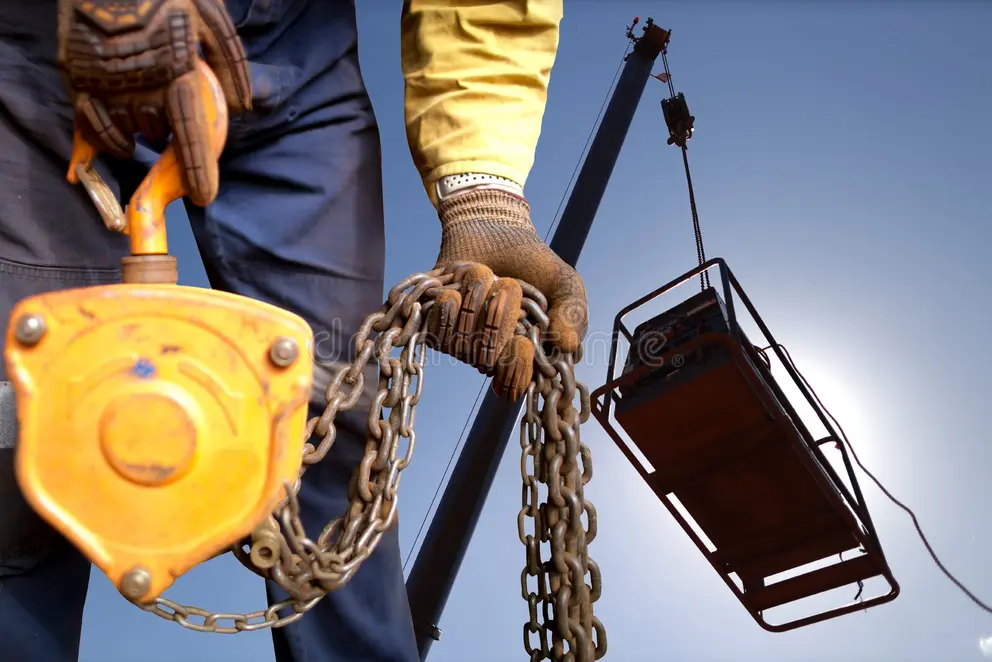
We assess the knowledge and skills required to prepare, sling, and direct loads during lifting operations. Assessment covers selection of suitable lifting accessories, checks of their condition and rated capacity, understanding of load weight, center of gravity and sling angles, load protection, and agreed signaling and communication methods. It also addresses lifting area hazards, exclusion zones, and conditions requiring work to stop, according to the responsibilities and assessment level defined for the role
Earthmoving & Heavy Equipment Operator Assessment
We assess operators of excavators, loaders, backhoe loaders, bulldozers, rollers, and similar equipment according to the equipment type presented for assessment. Key elements include pre-use checks, safe access and exit, control familiarization, maneuvering, blind spots and ground conditions, task execution, and safe parking and isolation. Assessment considers site hazards and interactions with pedestrians and vehicles, identifying demonstrated skills and areas requiring improvement
Forklift & Mobile Elevating Work Platform Operator Assessment
We assess operators of forklifts, telehandlers, and mobile elevating work platforms, using assessments specific to each equipment category. Material handling assessment covers capacity and stability limits, load pick-up, travel and placement, and safe movement around the workplace. Work platform assessment covers pre-use checks, ground conditions, overhead hazards, controls, emergency procedures, and emergency lowering. Results are documented for each equipment type and the tasks included in the assessment