Lifting Equipment Inspection Services and Practical Training
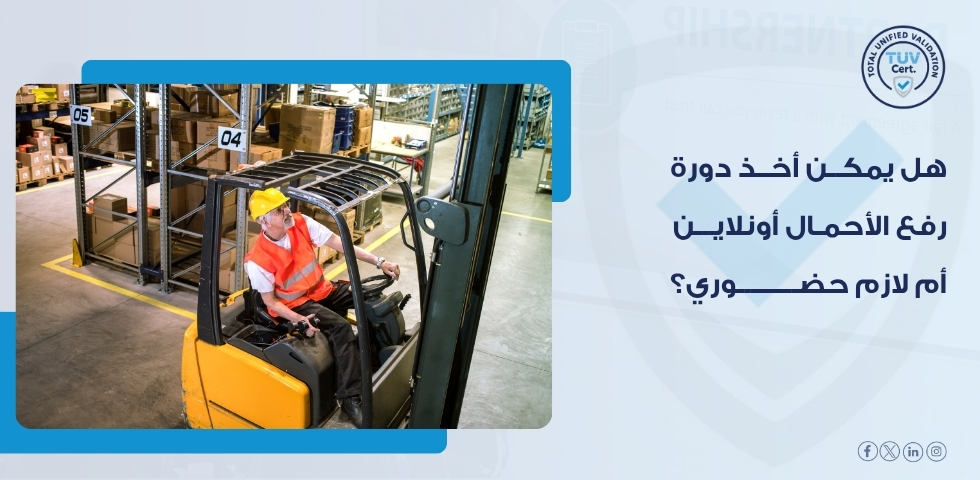
Can You Take a Lifting Operations Training Course Online, or Is In-Person Attendance Required?
Whether a lifting operations training course can be completed online depends on the nature of the program and the training provider's requirements. In many cases, the theoretical portion can be delivered remotely, while the practical training and on-site competency assessment require in-person attendance to allow participants to operate lifting equipment safely and apply workplace safety procedures.
The training format also depends on the requirements related to lifting equipment inspection services, heavy equipment operations, the objectives of the training program, and any applicable accreditation requirements.
Can the Theoretical Part of a Lifting Operations Course Be Studied Online?
Online learning has become a widely accepted option for many professional training programs. However, lifting operations courses require a clear distinction between theoretical knowledge and practical skills.
In many cases, lectures and theoretical concepts can be delivered through online learning platforms, while hands-on practice and field assessments must be completed in person. This approach also aligns with the practical requirements of lifting equipment inspection services, heavy equipment operations, and the overall objectives of the training program.
Theoretical Topics That Can Be Learned Online
Not every part of a lifting operations course requires field training. Many theoretical subjects can be effectively delivered through e-learning platforms without compromising participants' understanding of the fundamental principles.
These topics typically include:
-
Fundamentals of lifting operation safety.
-
Types of lifting equipment and their applications.
-
Reading and understanding lifting plans.
-
Basic principles of risk assessment.
-
Roles and responsibilities of personnel involved in lifting operations.
This theoretical knowledge provides trainees with a strong foundation that prepares them for practical instruction, especially when the online content includes interactive learning materials, practical examples, and case studies.
Why Is Theoretical Knowledge Alone Not Enough?
Although theoretical instruction is essential, it is not sufficient to prepare someone to work safely with lifting equipment.
Many practical skills cannot be developed through reading materials or watching online lectures alone. They require direct interaction with lifting equipment and real workplace situations.
These practical skills include:
-
Performing lifting operations correctly.
-
Using lifting accessories safely and appropriately.
-
Identifying hazards during lifting activities.
-
Applying workplace safety procedures.
-
Responding effectively to unexpected situations during lifting operations.
For this reason, many training programs combine online theoretical learning with practical training sessions that enable participants to transform knowledge into real workplace skills.
How Does Online Learning Support Safety Awareness?
Online training provides an excellent opportunity for trainees to build a solid understanding of essential safety concepts before participating in practical exercises.
Participants can review regulations, operating procedures, and safety requirements multiple times, helping reinforce their understanding before entering an actual work environment.
Online learning also supports the understanding of topics such as:
-
Planning lifting operations.
-
Occupational safety requirements.
-
Communication within lifting teams.
-
General principles of risk management.
As a result, practical training becomes more effective because trainees already possess the theoretical knowledge needed to understand what they experience during hands-on instruction.
The Role of Lifting Equipment Inspection Services and Heavy Equipment in Practical Training
Even when theoretical instruction is delivered online, practical training remains closely connected to real equipment and workplace operations.
This is where lifting equipment inspection services and heavy equipment inspections become particularly important. Trainees learn how to verify equipment readiness before use, understand the importance of equipment condition, and recognize how inspections contribute to safe lifting operations.
The objective is not to qualify participants as technical inspectors but to help them:
-
Understand the importance of pre-operation inspections.
-
Distinguish between equipment that is ready for use and equipment requiring further inspection.
-
Recognize the relationship between equipment condition and lifting safety.
-
Follow workplace inspection and safety procedures.
Connecting theoretical learning with practical application provides trainees with a more comprehensive understanding of lifting operations and workplace requirements.
Choosing the Right Training Method
There is no single training approach that suits everyone. The decision between online and classroom training depends on several factors, including previous experience, job responsibilities, employer requirements, and the practical skills participants need to develop.
For example, online learning may be ideal for individuals who want to build theoretical knowledge or refresh their understanding of lifting operations. However, those preparing for field work generally require practical training that allows them to operate lifting equipment directly and apply workplace safety procedures.
Therefore, the best training method should be selected based on how effectively it meets the trainee's learning objectives and job requirements—not simply on convenience.
How Does Total Unified Validation (TUV) Deliver a Comprehensive Training Experience?
Total Unified Validation (TUV) develops training programs that combine theoretical learning with practical skill development according to the objectives of each course.
This integrated approach prepares trainees to understand operating procedures, workplace safety requirements, and the importance of lifting equipment inspection services and heavy equipment inspections, enabling them to work safely, confidently, and responsibly in real operating environments.
In summary, the theoretical component of many lifting operations training courses can often be completed online. However, developing the practical skills required for safe lifting operations generally requires in-person training, where participants can apply what they have learned in a real workplace environment.